
2026 Housing Market Outlook — Is Better Balance Ahead?
Talk of a more balanced housing market in 2026 is gaining traction, and that’s a big deal for people thinking about buying or selling. After years of ultra-tight supply and affordability headaches, some experts see a shift coming that could give buyers a bit more breathing room without sending prices tumbling.
12/23/20252 min read
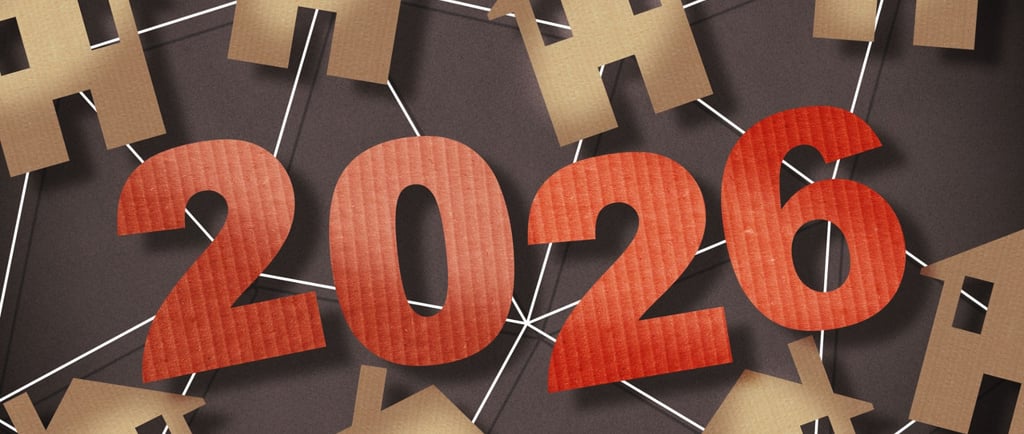
Talk of a more balanced housing market in 2026 is gaining traction, and that’s a big deal for people thinking about buying or selling. After years of ultra-tight supply and affordability headaches, some experts see a shift coming that could give buyers a bit more breathing room without sending prices tumbling.
What Experts Are Saying:
Recent forecasts indicate mortgage rates might ease slightly next year, inventory could keep improving, and price growth may slow — leading toward a more balanced market where neither buyers nor sellers completely dominate. A balanced market is usually good news for everyday homeowners.
Here’s what the data suggests:
📈 Home prices are expected to rise modestly — not skyrocket, but steadily — meaning you’re less likely to see huge bidding wars.
🏠 Mortgage rates are forecasted to stay around the low-6% range on average, giving buyers a little more predictable planning power.
📊 Inventory growth could rise year-over-year as more homes enter the market.
Taken together, these trends point toward less frantic competition and more realistic pricing compared with the super-heated markets of recent years.
Why This Matters (Simple Terms):
For potential home buyers (especially first-timers), a more balanced market means:
More homes to choose from — inventory that keeps growing helps reduce the pressure of snapping up a home the moment it hits the market.
Less bidding war stress — slow, steady price growth usually means fewer offers $50k+ over list price.
Better negotiation room — when sellers aren’t in a frenzy, buyers can ask for repairs or closing help.
For homeowners considering selling:
You likely won’t regret pricing smartly in a balanced market.
You may need to focus more on presentation (staging, quick fixes) because buyers have more options.
A Real-World Example:
Imagine you’re a buyer who lost out on three offers last spring — sellers were getting 10 offers in the first weekend. In a balanced market, you might see four good options in a month, and not have to waive your inspections just to have a shot. That’s a practical win.
Bottom Line:
A more balanced 2026 housing market doesn’t mean homes will be cheap — it means the pricing and pace will more closely reflect traditional supply-and-demand fundamentals. That’s usually a healthier environment for homeowners and buyers alike.
CapWil Homes
Successfully serving our clients since 2008
cONTACT US:
404-996-3500 | 404-987-0730
© 2024. All rights reserved.
info@capwilhomes.com
Designed and Hosted by BAMABAC.com